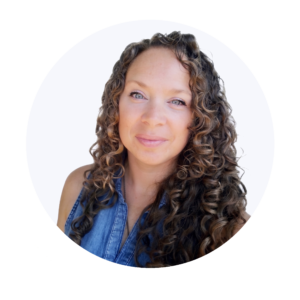
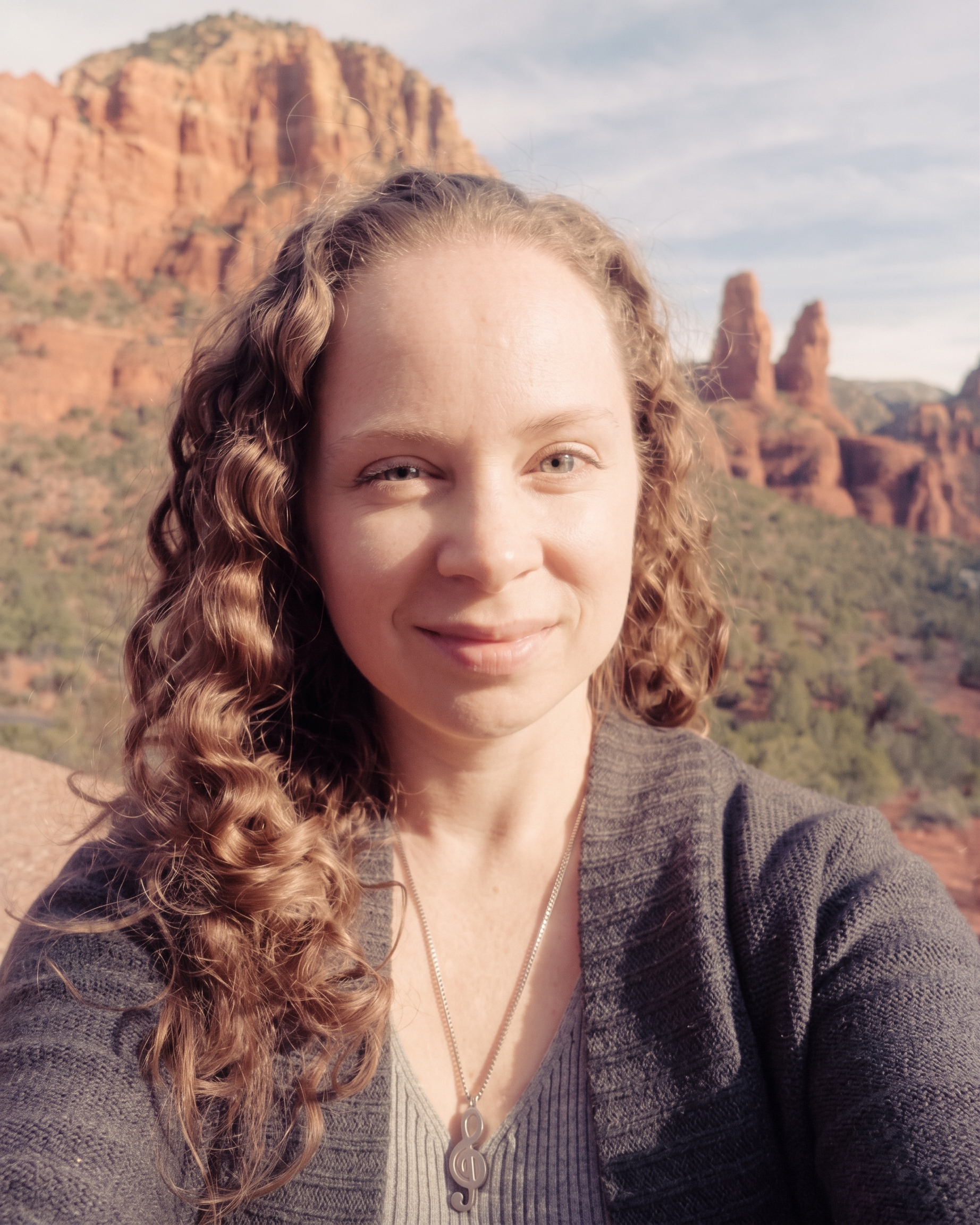
Hi, I’m Jennifer.
The winding paths of life have caused ours to cross. And while we may differ in some or many ways, we have something in common: we have both crossed the same threshold with the person we deeply love.
Like many of you, I live as a walking paradox—young on the outside, but on the inside I’ve travelled a terrain my peers will wait decades to encounter. Every day I live in two worlds, where my inside doesn’t match my outside. Here is where I get to let my inner, unseen, widow speak.
Widowhood has its own language, but it is also a universal one—so universal we’ve forgotten how to speak it.
In the shock, we often say, “There are no words,” but underneath the silence there is usually a whole ocean of words that need somewhere safe to go—words that carry love, missing, yearning, and the reality of what has changed.
Over years of study, writing, practicing, and now presenting, I’ve learned the language of the heart—and I’m here as a guide, a teacher, a map‑holder (and, in many ways, a translator) to help you translate what your heart is holding into words you can speak.
I’ve put theory into practice, and practice into theory.
BUT JENNIFER...
"If you’re not a therapist, how’d you get here?”

As a child, I was fascinated by the unseen realm—the soul, meaning, and what might exist beyond what we can see and touch. This is where my quest began: for the original meaning of psychology—the study of breath, spirit, soul, and mind.
As a teenager, I tried to make sense of the soul through faith—learning the language of trust, dependence, surrender, and invitation long before I had words for grief.
In university, I studied Sociology—the study of human togetherness—and today’s definition of Psychology—the study of the mind. I loved the pieces, but they didn’t form a whole picture. It still felt like I’d been handed a beautiful puzzle without the picture on the lid.
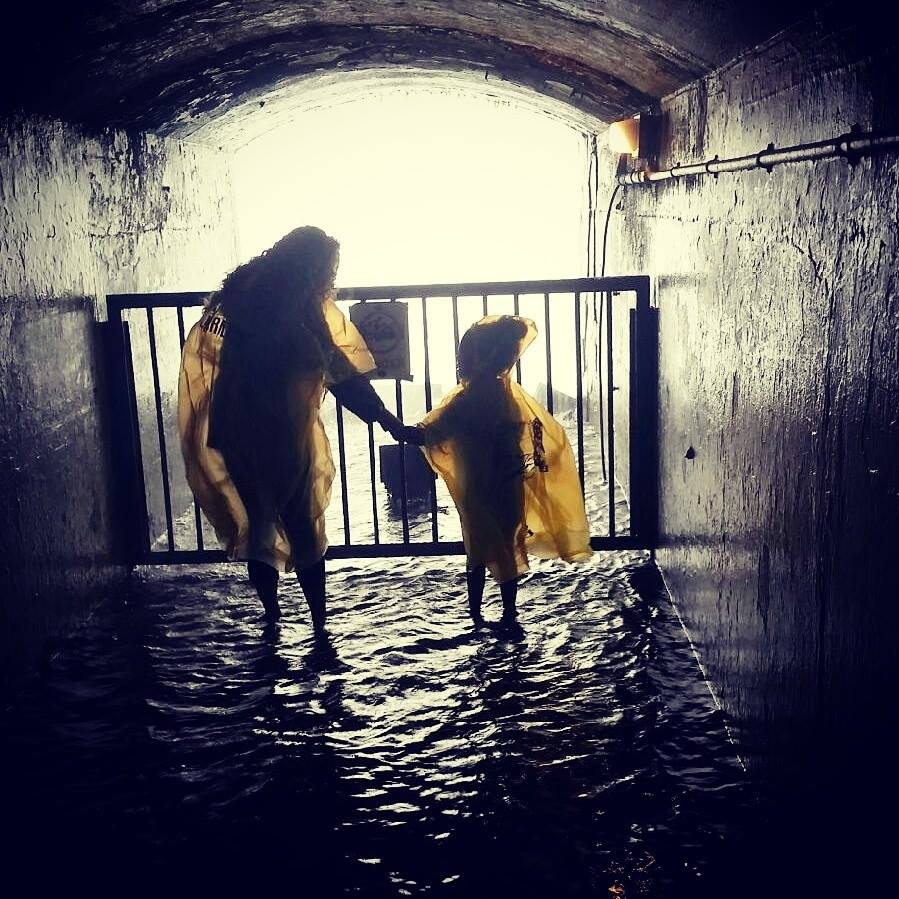
When I became a mom, I realized I didn’t truly understand emotion—at least not in the way I needed to in real relationship. I needed something that could guide me from the inside out.
That’s when I found Dr. Gordon Neufeld’s attachment-based developmental approach and began my formal studies at the Neufeld Institute. It was the picture on the lid of the puzzle. Immersing myself in this academic program gave me confidence as a parent, helped protect our marriage, and—without me knowing it at the time—prepared me for widowhood.
Around that time, I had a chance to speak with Gordon Neufeld and told him that one day I would teach his work. But I also knew I wasn’t ready yet. I needed to steep in it a little longer, like a cup of tea. I sensed that time would give me the lived experience to truly know what I was learning—so it could become something I could see with my own eyes, not just something I could repeat.

Then my husband died suddenly, and the terrain of widowhood became mine. This is where everything turned from learning into living. I wasn’t just grieving—I was trying to find my way.
I discovered that what I had been steeping in through the Neufeld lens wasn’t simply insight.
It was a map.
In the years that followed, I read widely, I studied, I wrote, and I practiced the invitation for it all to exist—staying close to what was true in my own heart, and listening for what actually brought rest.
I continued my studies with the Neufeld Institute, taking intensives that helped me make sense of the unseen depths of relationship—and what true therapy is at its root: a cure for the soul.
Completing my studies confirmed something I had already been living: that inviting my husband to continue to exist in my life wasn’t denial. It was the answer that brought my heart to rest.

As my understanding deepened, my work moved outward. While developing the core framework and map of this terrain, I also became a Certified Grief Educator through David Kessler's program.
Through helping run a local widows group, and later through working in home care, I saw the gap up close: even when practical support exists, emotional and relational support is often missing—especially for older widows.
Many widows don’t have the kind of map I had, or the kind of language that helps the heart make sense of what it’s carrying.
At this point, the Invitation to Exist framework is complete. What I’m working on now is crafting it into materials that can be held, taught, and shared with clarity.
I have already developed the materials for Part 1 (of 4), and I’m offering that now through TheraTea™, while I continue building the remaining parts—so you don’t have to wait for “someday” to receive support.
Education & Training
B.A. in Sociology and Psychology, providing a foundation in human togetherness and the study of the mind.
I’ve steeped in the Neufeld Approach through the full suite of advanced intensives—Making Sense of Kids, The Separation Complex, Becoming Attached, Play, Making Sense of Therapy, The Science of Emotion, and Adolescence—studies that deepened my understanding of emotion, relationship, and the heart’s need for rest.
Testimonials
B.A. in Sociology and Psychology, providing a foundation in human togetherness and the study of the mind.
I’ve steeped in the Neufeld Approach through the full suite of advanced intensives—Making Sense of Kids, The Separation Complex, Becoming Attached, Play, Making Sense of Therapy, The Science of Emotion, and Adolescence—studies that deepened my understanding of emotion, relationship, and the heart’s need for rest.